

Wiffle® Ball
What’s Wiffle® Ball?
Wiffle® Ball has been around since the 50s, and there’s a reason it’s a classic of casual recreation. It’s all the fun of baseball without needing a seventh-inning stretch. Players compete on teams to score the most runs, determined by how far they hit the ball. A dinger (home run) will take your runner all the way around the bases—and earn you glory.

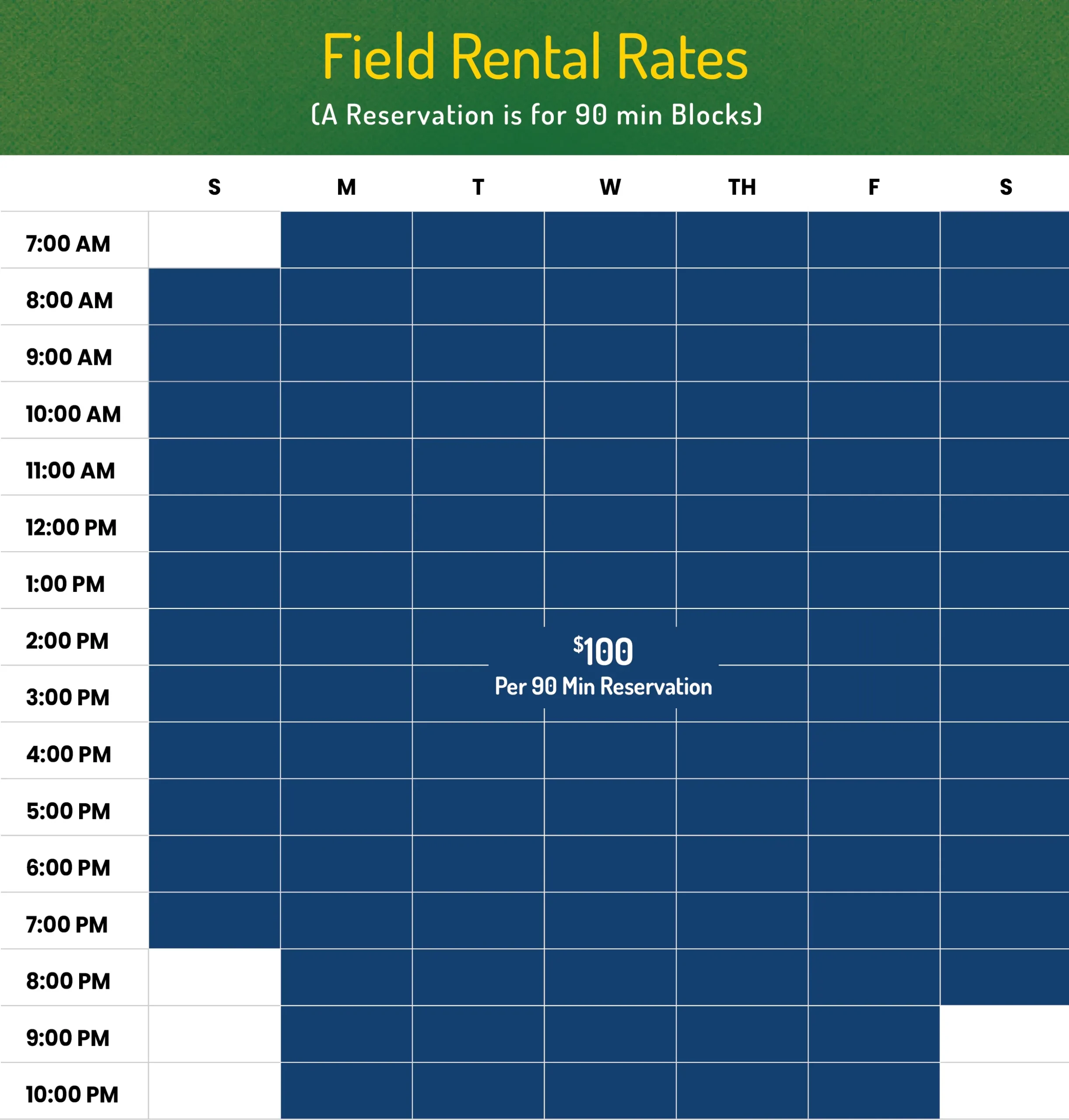

Play Rain or Shine
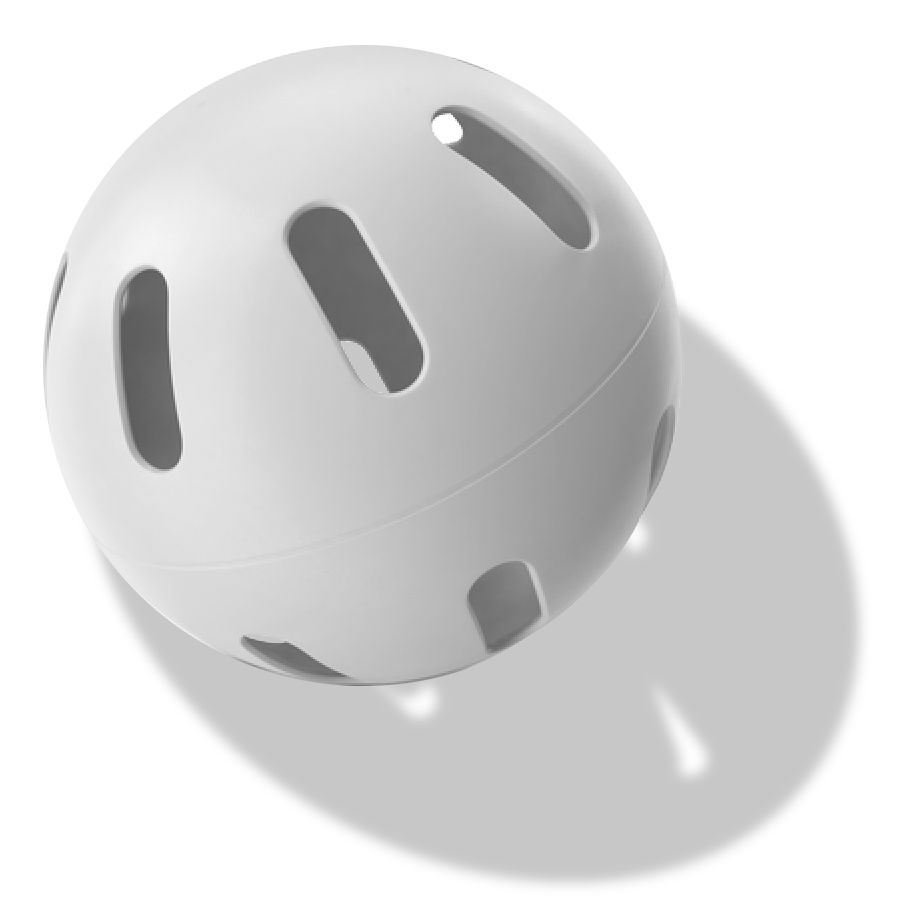
Join the Roster
Nothing’s a swing and a miss at Dinks & Dingers.
Free Play
Tee up today by scheduling a drop-in session through our portal.
Leagues
Join an after-work, early morning, or weekend warrior Wiffle® Ball league to play every week.
Memberships
Get a D&D membership for discounts, early access, and other exclusive benefits
Need Equipment?
Reserve bats and balls easily through our online reservation system or
stop by the equipment rental desk on your way to the court.
How It’s Done
Wiffle® Ball is a scaled-down version of baseball, played with 2 teams of up to five players in 6 two-part innings. In an inning, first, one team will bat, and the other will pitch (throw the ball for their opponents to try to hit) and field (catch and retrieve hit balls). After the batting team gets three outs—either from striking out or their hits being caught by the fielders—the teams switch roles.


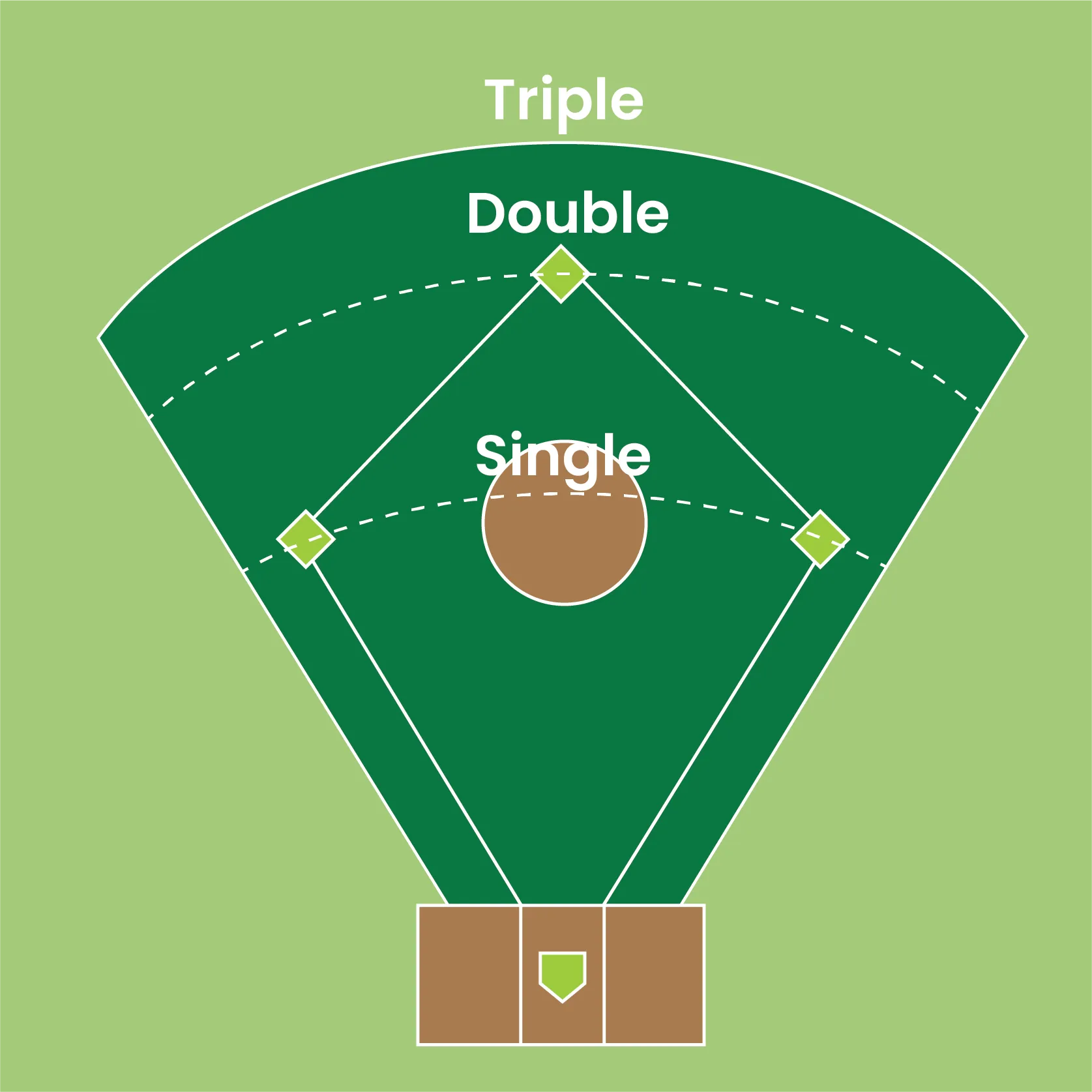

Unlike baseball, there are no actual runners in Wiffle. Instead, imaginary runners advance around the bases based on how far batters hit the ball. Balls hit into the first zone count as singles (taking the runner to first base), into the second zone are doubles (taking the runner to second), into the third zone are triples (taking the runner to third base), and beyond the final line are home runs (taking the runner all the way around the bases). Runners must make it to first, second, third, and home bases to score a run, moving as real runners would when hits are made.

One player on the fielding team is the pitcher: they throw the ball over home plate, where the batter stands trying to hit it. The pitcher must throw the ball within the strike zone, the area where hitting the ball is reasonable and possible for the batter, directly over home plate. Pitches thrown in the strike zone that the batter does not hit are strikes—three strikes and a batter is out. If the pitch is not thrown in the strike zone, it is referred to as a ball and does not count against the batter. Four balls result in a walk, where the player is sent to first base automatically.



If the batter hits the ball out of bounds to the left or right of the field, that is a foul ball. Foul balls count as strikes unless the batter already has two strikes. If the batter hits the ball within the field of play but is caught by the opposing team in the air, that is an out.
At the end of six innings, the team with the highest number of runs wins. In the event of a tie, the game may go into extra innings.